
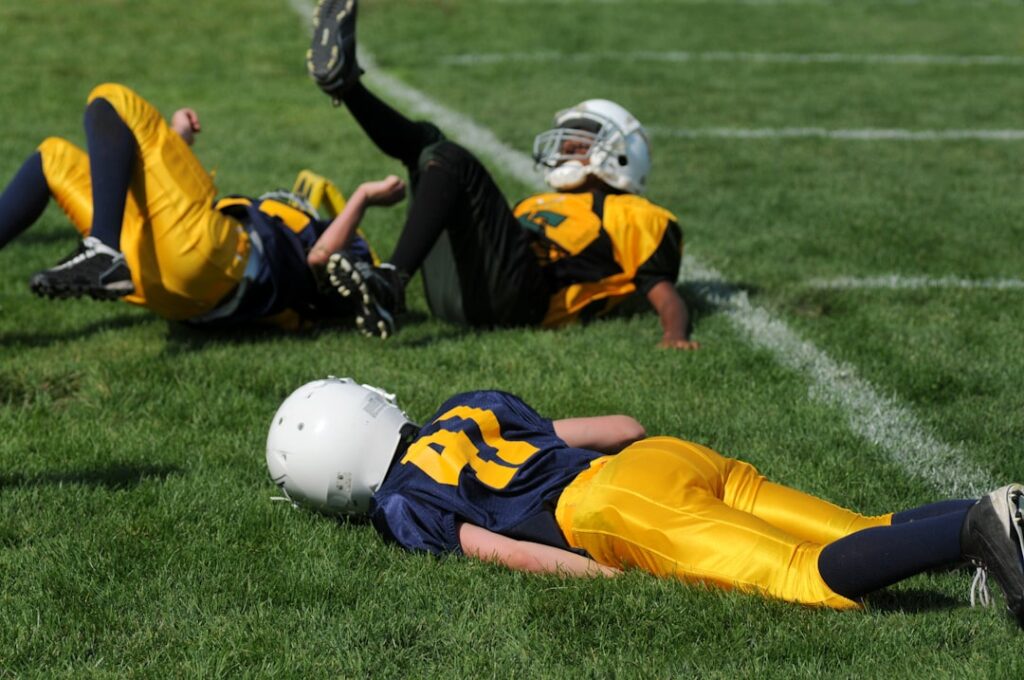
Concussions have become a rising concern in sports at every level, from youth leagues to competitive high school athletics. In Glens Falls, NY, with its vibrant community events, active ski clubs, hockey teams, and outdoor recreation options, athletes of all ages frequently partake in contact and high-impact sports. As awareness grows regarding the long-term effects of concussions, it’s crucial to explore strategies for preventing sports concussions, ensuring local athletes stay healthy and safe while enjoying the activities they love.
Understanding What a Concussion Is
A concussion is a type of mild traumatic brain injury (TBI) caused by a blow to the head or a sudden jolt that makes the brain move rapidly inside the skull. This movement can cause chemical changes and sometimes damage brain cells. Symptoms may include headaches, confusion, dizziness, nausea, and memory problems. In a sports-friendly region like Glens Falls, where hockey, football, soccer, lacrosse, and skiing are popular, these risks are especially relevant.
Why Concussion Prevention Matters in Glens Falls
Glens Falls’ tight-knit community often gathers to cheer for local teams and participate in ski programs at West Mountain or recreational soccer at local parks. Injuries can significantly affect not just the athlete but families, teams, and the larger community. Preventing concussions preserves enjoyment of these activities, helps young athletes develop safely, and minimizes lost school time and long-term health risks.
Key Strategies for Preventing Sports Concussions
Below are proactive strategies athletes, coaches, parents, and school administrators in Glens Falls can adopt to help reduce concussion risks:
1. Education and Awareness
- Ensure all coaches, athletes, and parents understand the signs and symptoms of concussions.
- Attend local workshops or informational sessions provided by Glens Falls hospital networks or schools.
- Make use of public resources such as NYSED’s policies on concussion management for student athletes.
2. Proper Use of Protective Equipment
- Always use sport-appropriate and well-fitted protective gear, especially helmets for sports like hockey, football, lacrosse, and skiing.
- Replace helmets according to manufacturer guidelines and after any significant impact.
- In youth ice hockey leagues around the Glens Falls Civic Center, ensure mouth guards and face shields are properly used.
3. Enforce Safe Play Techniques
- Promote rule changes that minimize dangerous play, such as limiting heading in youth soccer or checking in youth hockey.
- Conduct regular safety clinics, such as tackling clinics before the Glens Falls football season starts, emphasizing form and technique over aggression.
4. Encourage a Culture of Reporting
- Foster an environment where athletes feel safe reporting symptoms without fear of losing playing time or status.
- Encourage coaches in Glens Falls City School District sports programs to value players’ health first and foremost.
- Implement and strictly follow “return-to-play” protocols consistent with New York State and local school guidelines.
5. Strength and Conditioning Programs
- Incorporate exercises that build neck strength, balance, and overall fitness. Research indicates that strong neck muscles can help reduce the risk of concussion by absorbing more impact energy.
- Local gyms or team training sessions before ski season or hockey tryouts can include neck and core strengthening exercises.
6. Field and Facility Safety
- Ensure playing surfaces are well maintained to reduce risks of trips, slips, and falls.
- Regularly inspect fields at East Field and other Glens Falls parks for hazards like uneven ground or debris.
- On ski slopes, adhere to marked trails and ski patrol advisories, minimizing off-trail risks.

7. Limit Contact in Practices
- Reduce full-contact drills during practices, a strategy recently adopted by many successful sports programs, particularly for football and hockey.
- Alternate days of high-impact practice with “no contact” skill development days.
Community Resources for Concussion Prevention
Glens Falls families have access to several resources that support concussion prevention and safety in sports:
- Glens Falls Hospital Sports Medicine – hosts educational seminars and baseline concussion testing.
- Local chiropractors, physical therapists, and athletic trainers can assist in pre-season strength assessments and injury prevention.
- School athletic departments routinely update policies and provide online resources about head injury protocols.
What to Do If a Concussion Is Suspected
Immediate response is key. If a concussion is suspected during a local match or tournament:
- Remove the athlete from play right away.
- Seek medical evaluation, even if symptoms appear mild.
- Do not allow return to play until cleared by a healthcare professional familiar with concussion management, such as a sports physician in the Glens Falls area.
- Follow a gradual, stepwise return-to-play process advised by your healthcare provider.
Promoting a Healthy, Active Lifestyle in Glens Falls
Preventing concussions doesn’t mean giving up on active lifestyles. Instead, it’s about striking a balance—inspiring Glens Falls youth to continue enjoying the region’s rich tradition of sports and recreation, but with safety as a cornerstone. By adopting the above strategies, we can protect our athletes while preserving the spirit of competition and camaraderie that makes Glens Falls special.
For families, coaches, and athletes in Glens Falls, being informed and proactive is the best defense against sports concussions. Attend local educational events, advocate for safe play, and always prioritize health for a lifetime of safe participation in the sports that bring our community together.
