
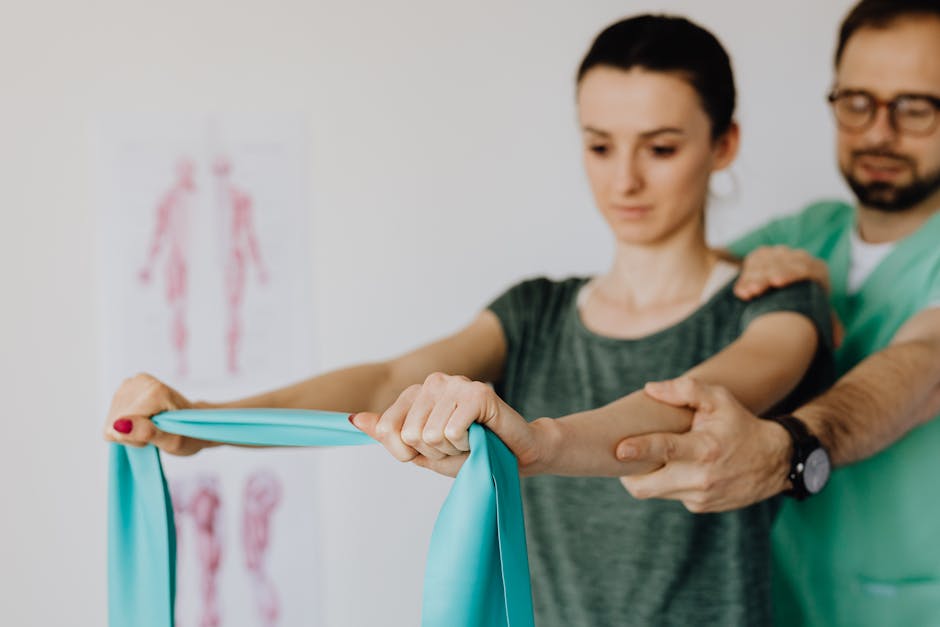
If you live in Glens Falls, NY, you know that our region is full of opportunities to enjoy the outdoors, work hard, and participate in community life. But whether you’re spending long hours typing at your desk job, crafting at the Shirt Factory, paddling on Lake George, or cooking up a storm in your downtown kitchen, repetitive hand and wrist motion can lead to a common and frustrating condition: carpal tunnel syndrome (CTS).
Carpal tunnel syndrome causes tingling, numbness, and weakness in the hand, which can make everyday tasks challenging. While severe cases may require medical intervention, many people in Glens Falls find relief through natural, drug-free methods. Below, discover how to relieve carpal tunnel syndrome naturally, so you can stay active in the Adirondacks and beyond.
What Is Carpal Tunnel Syndrome?
Carpal tunnel syndrome occurs when the median nerve, which runs from your forearm into your palm, becomes compressed at the wrist. This nerve passes through a narrow pathway known as the carpal tunnel, surrounded by bones and ligaments. Repetitive hand motions—like typing, playing instruments, or even shoveling snow in winter—can thicken those tissues and press on the nerve.
Common symptoms include:
- Tingling or numbness in fingers (especially the thumb, index, and middle fingers)
- Weak grip or dropping objects
- Hand pain that can extend toward the elbow
Why Is Carpal Tunnel Syndrome Common in Glens Falls?
Glens Falls is known for its hardworking residents, artisans, and outdoor enthusiasts. Whether you’re assembling crafts at LARAC, gardening in your backyard, or working on a computer in one of our many vibrant small businesses, repetitive hand movements are a part of daily life. Even playing recreational sports at East Field, or tackling home improvement projects, can put extra strain on your wrists.
Natural Ways to Relieve Carpal Tunnel Syndrome
Fortunately, there are natural and accessible ways to relieve carpal tunnel syndrome symptoms—no prescription required. Let’s explore some of the most effective methods local residents can try:
1. Take Frequent Breaks
It’s easy to get caught up in your work or hobby, but frequent breaks are crucial. Set a timer to remind yourself to rest your hands and change activities every 20-30 minutes. For local office workers at places like the Glens Falls Hospital, this simple habit can reduce nerve strain significantly.
2. Stretches and Exercises
Wrist stretches can help reduce carpal tunnel inflammation and restore flexibility:
- Wrist Flexor Stretch: Extend your arm with palm facing up. Gently bend your wrist, pointing fingers toward the floor, and use your other hand to deepen the stretch. Hold for 15-30 seconds.
- Prayer Stretch: Place your palms together in front of your chest (like praying), then lower your hands toward your waist to feel a gentle stretch in the wrists.
- Nerve Gliding Exercises: Slowly move your fingers from a fist to an open hand, “gliding” the nerves to prevent stiffness.
These can be done several times a day, whether you’re at your home on Warren Street or taking a break from work at your downtown office.
3. Improve Ergonomics
Set up your workstation to keep your wrists neutral and minimize repetitive stress. Consider:
- Adjusting keyboard height (keep it at elbow level)
- Using a mousepad with wrist support
- Keeping your forearms parallel to the ground
- Avoiding bending wrists up or down for extended periods
Many of Glens Falls’ tech-savvy residents, artists, and crafters find that small ergonomic tweaks make a big difference.
4. Ice Therapy
Swelling is a common culprit behind carpal tunnel symptoms. Applying an ice pack for 10-15 minutes at a time can lessen pain and inflammation. Wrap ice or a frozen gel pack in a thin towel and gently press it on your wrist after an intense typing session or after outdoor chores.
5. Wear a Wrist Splint
A wrist splint, especially worn at night, keeps your wrist in a neutral position and prevents bending. This supports healing while you sleep and can be found at most local pharmacies in Glens Falls.
6. Maintain a Healthy Lifestyle
Inflammation and fluid retention can worsen carpal tunnel symptoms, so a healthy lifestyle helps:
- Eat anti-inflammatory foods (like leafy greens, berries, fatty fish)
- Stay hydrated, especially after hiking or running in Cole’s Woods
- Maintain a healthy weight—extra weight increases pressure on the median nerve
- Moderate activities that aggravate symptoms, replacing them with low-impact alternatives when possible
7. Get Gentle Chiropractic Care
Chiropractic care can relieve carpal tunnel symptoms by addressing misalignments in the wrist, hand, and spine. A chiropractor will assess your individual needs and offer adjustments or soft tissue therapy. Many Glens Falls residents find that regular chiropractic visits offer both comfort and long-term relief through natural means.
8. Try Local Support and Wellness Resources
Glens Falls boasts many resources for people experiencing carpal tunnel issues:
- Community yoga classes can help gently stretch wrists
- Occupational therapy is available at local health centers
- Massage therapy for hands and wrists is offered by area practitioners, promoting relaxation and circulation
When Should You See a Health Professional?
If home care and natural remedies don’t lessen your pain, or if you experience severe weakness or loss of function, it’s important to consult a healthcare provider. Early intervention, including chiropractic and physical therapy, often leads to the best outcomes—helping you keep enjoying all that Glens Falls has to offer.
Living with Carpal Tunnel in Glens Falls
From working at local businesses to enjoying the great outdoors, hand and wrist health is essential for staying engaged and active in Glens Falls. With a few mindful changes, stretches, and the support of your local wellness community, you can manage carpal tunnel syndrome naturally—and keep enjoying your lifestyle year-round.
Remember, the journey to healing doesn’t have to involve surgery or medication. With consistency and a proactive approach, natural relief is within reach—right here in the heart of the Adirondacks.
