
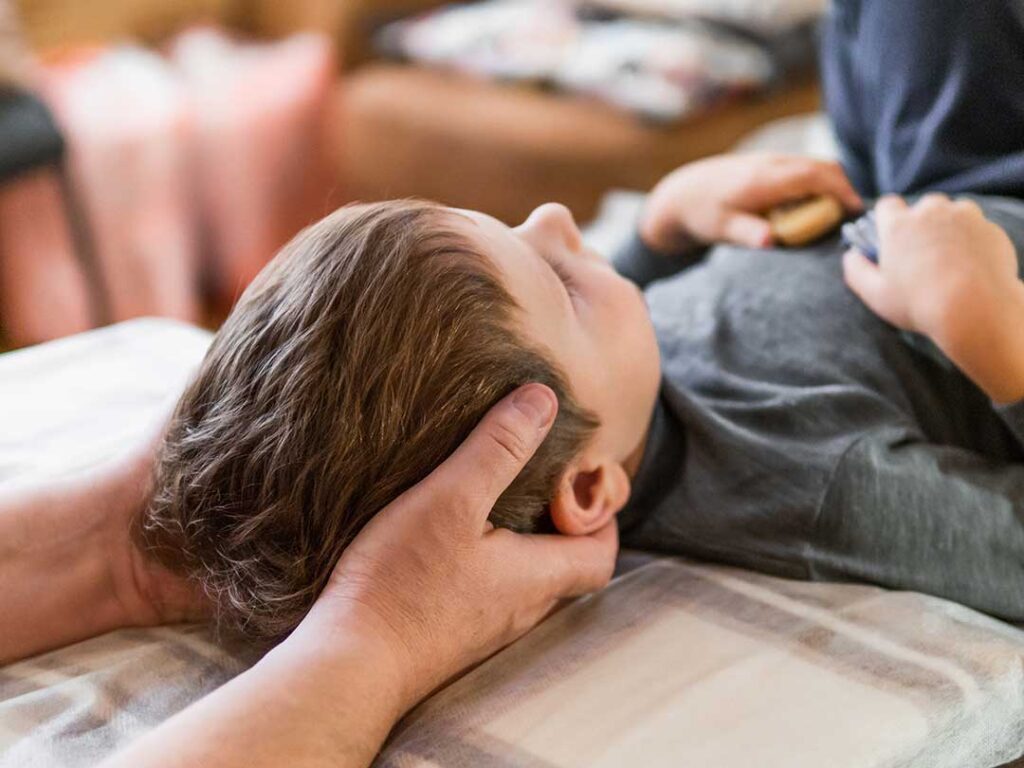
Chiropractic care is most useful in healthy aging when it supports mobility, comfort, and participation in daily activities—not when it is presented as a cure-all. For some older adults, hands-on care may be one part of a broader plan that also includes exercise, balance training, medical evaluation, and practical fall prevention.
What does healthy aging have to do with movement?
Healthy aging is closely connected to the ability to walk, bend, reach, rise from a chair, carry household items, and remain engaged in daily life. Physical activity can help preserve strength, balance, function, and independence as people age. Adults 65 and older are generally encouraged to include aerobic activity, muscle-strengthening activity, and balance exercises each week, adjusted to their abilities and health conditions. ([cdc.gov](https://www.cdc.gov/physical-activity-basics/guidelines/older-adults.html?utm_source=openai))
For residents of Glens Falls, seasonal conditions can make movement more demanding. Snow, ice, uneven walkways, and cold-weather stiffness may increase the need for careful preparation before outdoor walking, errands, or household maintenance. Indoors, long periods of sitting during winter can also contribute to stiffness and reduced activity.
Chiropractic care does not replace regular movement. Its potential value is helping some people manage musculoskeletal discomfort well enough to move more comfortably and participate in an appropriate exercise routine.
How might chiropractic care support older adults?
Chiropractic care commonly focuses on the muscles, joints, and spine. Depending on a person’s symptoms and health history, care may include spinal manipulation, gentler mobilization, soft-tissue techniques, movement education, or exercises intended to improve function.
Research summarized by the National Center for Complementary and Integrative Health suggests that spinal manipulation may provide modest short-term improvements in pain and function for some people with acute or chronic low-back pain. The evidence does not establish that chiropractic treatment prevents aging, reverses arthritis, or treats every cause of pain. ([nccih.nih.gov](https://www.nccih.nih.gov/health/low-back-pain-and-complementary-health-approaches-what-you-need-to-know?utm_source=openai))
Potentially useful goals may include:
- Improving tolerance for walking or standing
- Reducing stiffness that interferes with ordinary activities
- Supporting a gradual return to movement after a minor strain
- Identifying movement habits that aggravate back, neck, or joint symptoms
- Pairing symptom relief with strengthening and balance work
The practical question is not whether a person is “too old” for care. It is whether the proposed approach is appropriate for that individual’s diagnosis, medications, bone health, fall history, and goals.
Can chiropractic care improve balance or prevent falls?
Chiropractic adjustment alone should not be described as a proven fall-prevention program. Falls can result from many factors, including reduced leg strength, vision changes, medication effects, dizziness, gait problems, blood-pressure changes, and hazards in the home. ([nia.nih.gov](https://www.nia.nih.gov/health/falls-and-falls-prevention?utm_source=openai))
A broader movement plan may be more relevant. Balance exercises and muscle strengthening can improve stability and physical function, while regular activity may reduce the risk of falls and fall-related injury. Examples include controlled sit-to-stand practice, supported heel-to-toe walking, leg strengthening, and appropriately supervised balance activities. ([nia.nih.gov](https://www.nia.nih.gov/health/infographics/four-types-exercise-and-physical-activity?utm_source=openai))
If pain is preventing someone from walking or exercising, musculoskeletal care may help address that barrier. However, persistent unsteadiness, repeated falls, fainting, vertigo, sudden weakness, or new neurological symptoms require medical assessment rather than relying on spinal treatment alone.
What should an older adult expect from a careful evaluation?
A responsible evaluation should begin with the person’s complete history, not just the location of pain. Relevant details include osteoporosis or low bone density, previous fractures, cancer history, inflammatory disease, recent falls, surgeries, blood-thinning medication, steroid use, dizziness, and changes in strength or sensation.
The evaluation should also consider function:
- Can the person rise from a chair safely?
- Has walking distance changed?
- Is pain affecting sleep or household tasks?
- Does the person feel unsteady on stairs or uneven ground?
- Are symptoms improving, stable, or progressively worsening?
Gentle techniques may be more appropriate than forceful manipulation for some older adults. Treatment should be adapted to comfort, tissue tolerance, and medical risk. Older age alone does not automatically prohibit hands-on care, but it does make individualized screening especially important.

Which misconceptions deserve caution?
One misconception is that joint adjustments can “realign” the entire body permanently. Joints and movement patterns change with activity, strength, injury, and disease; ongoing function usually depends on regular movement and conditioning.
Another misconception is that pain is always caused by a spinal misalignment. Back or neck pain may also involve arthritis, nerve irritation, muscle strain, osteoporosis-related injury, infection, inflammatory disease, or problems outside the musculoskeletal system.
It is also inaccurate to assume that more treatment is always better. A reasonable plan should have a functional purpose, such as walking farther, turning more comfortably, or completing daily tasks with less difficulty. Progress should be reassessed rather than continued automatically.
What can local residents do between visits?
The most durable support for healthy aging usually comes from consistent daily habits. A practical routine might include short walks, gentle mobility exercises, strength work using body weight or resistance bands, and balance practice near a stable support.
During icy or snowy periods:
- Wear footwear with reliable traction.
- Use handrails on steps and keep pathways clear.
- Avoid rushing outdoors when surfaces are slick.
- Warm up indoors before stretching or physical work.
- Break snow removal and other demanding tasks into shorter periods.
- Avoid carrying heavy loads while walking on uneven surfaces.
The CDC and National Institute on Aging emphasize that activity should match a person’s abilities and health conditions. Some activity is generally better than none, but new exercise should be increased gradually, particularly after illness, injury, or a prolonged inactive period. ([cdc.gov](https://www.cdc.gov/physical-activity-basics/benefits/?utm_source=openai))
When is chiropractic care not the right first step?
Urgent medical evaluation is more appropriate for symptoms such as sudden weakness or numbness, loss of bladder or bowel control, severe pain after a fall, unexplained weight loss, fever, chest pain, fainting, new severe headache, or rapidly worsening symptoms.
A fall in an older adult may cause a fracture even when pain initially seems manageable. New pain after a fall, inability to bear weight, marked tenderness, or a change in limb position should be treated as a possible injury requiring prompt assessment.
For healthy aging, chiropractic care is best understood as a limited, potentially useful component of musculoskeletal care. Its role is strongest when it helps a person move more comfortably while the larger plan addresses strength, balance, activity, fall risks, medications, bone health, and other medical factors.
