
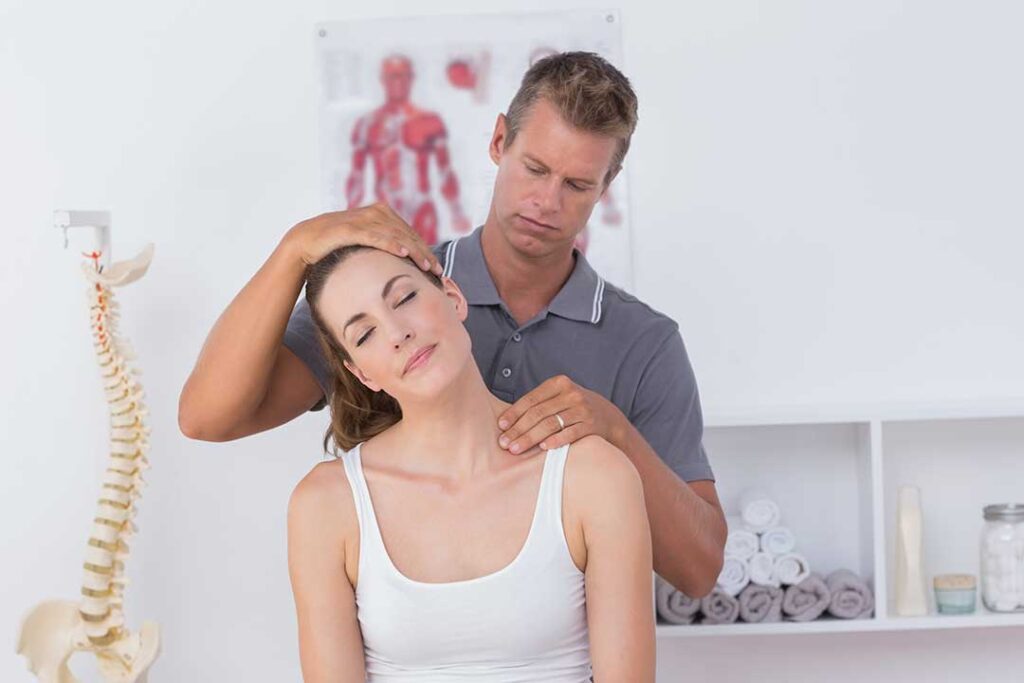
Sciatica can cause burning, electric, or aching pain that travels from the lower back or buttock into one leg. It may also cause tingling, numbness, or weakness. For many people, symptoms improve over several weeks with gentle movement and sensible self-care, but certain warning signs require prompt medical evaluation. ([nhs.uk](https://www.nhs.uk/conditions/sciatica/?utm_source=openai))
What natural remedies may help sciatica pain?
The most useful home approaches are usually heat or cold, gradual movement, comfortable positioning, sleep support, and avoiding activities that repeatedly aggravate the nerve. “Natural” does not necessarily mean risk-free, so new exercises, supplements, or hands-on treatments should be approached carefully.
Sciatica is different from ordinary muscle soreness because it involves irritation or compression of a nerve, often in the lower spine. A herniated disc, narrowing around the spinal nerves, or age-related changes may contribute. Pain that travels down the leg is often more characteristic of sciatica than pain limited to the low back. ([nhs.uk](https://www.nhs.uk/conditions/sciatica/?utm_source=openai))
Should you use heat or ice?
Either a cold pack or a heat pack may provide temporary relief. Cold can be helpful during the first days after a flare or after an activity that increases soreness. Heat may relax tight muscles and make movement more comfortable.
Use a towel or cloth barrier to protect the skin, and limit applications to short periods rather than leaving a heating pad or ice pack in place while sleeping. People with reduced sensation, diabetes, or circulation problems should take extra care because burns and cold injuries may be harder to notice.
A practical approach is to try one method at a time and observe which improves comfort without increasing leg symptoms. Heat and cold may reduce discomfort, but they do not correct the underlying cause of nerve irritation. ([niams.nih.gov](https://www.niams.nih.gov/community-outreach-initiative/understanding-muscle-health/living-with-back-pain?utm_source=openai))
Is walking better than bed rest?
For most uncomplicated cases, gentle activity is preferable to prolonged bed rest. Short, easy walks can reduce stiffness and help maintain normal movement. Changing position regularly may be more comfortable than sitting continuously, particularly if sitting increases leg pain.
Activity should be paced rather than forced. For example, a person might walk for several minutes, rest briefly, and repeat the process later. If a movement causes pain to travel farther down the leg, increases numbness, or produces new weakness, stop that activity and seek medical guidance.
During snowy or icy seasons, shoveling can be a common trigger because it combines lifting, twisting, and repeated bending. Smaller loads, frequent breaks, keeping the shovel close to the body, and avoiding sudden twisting may reduce strain. Asking another household member to handle heavy or icy work may be safer during an active flare.
Which stretches and exercises are reasonable?
Gentle exercise can help, but there is no single stretch that works for every cause of sciatica. A movement that eases one person’s symptoms may aggravate another person’s nerve.
Generally safer starting points include:
- Brief walking on a level surface
- Gentle pelvic or low-back movements that do not increase leg pain
- Light changes of position throughout the day
- Gradual strengthening once acute symptoms settle
Avoid bouncing, forceful hamstring stretching, deep forward bending, and exercises that sharply increase shooting pain. The goal is not to “push through” nerve pain. Exercise guidance from a qualified clinician or physical therapist may be appropriate when symptoms are persistent, recurrent, or difficult to interpret. NHS guidance also advises stopping an exercise if it causes pain or illness and obtaining advice when there is an injury, health condition, pregnancy, or uncertainty about safety. ([nhs.uk](https://www.nhs.uk/live-well/exercise/exercises-sciatica-problems/?utm_source=openai))
Can sleep position make sciatica more manageable?
Sleep position cannot cure sciatica, but support may reduce nighttime irritation. Side sleepers may benefit from a pillow between the knees. Back sleepers often feel more comfortable with a pillow under the knees. The best position is the one that keeps symptoms from spreading farther down the leg and allows enough sleep to support recovery.
A mattress does not need to be extremely firm to be helpful. More useful factors include maintaining a supported, neutral position and changing position carefully rather than twisting quickly when getting out of bed.
Poor sleep can also increase sensitivity to pain. A consistent bedtime, reduced evening stimulation, and a comfortable room temperature may help the nervous system settle while the back recovers.
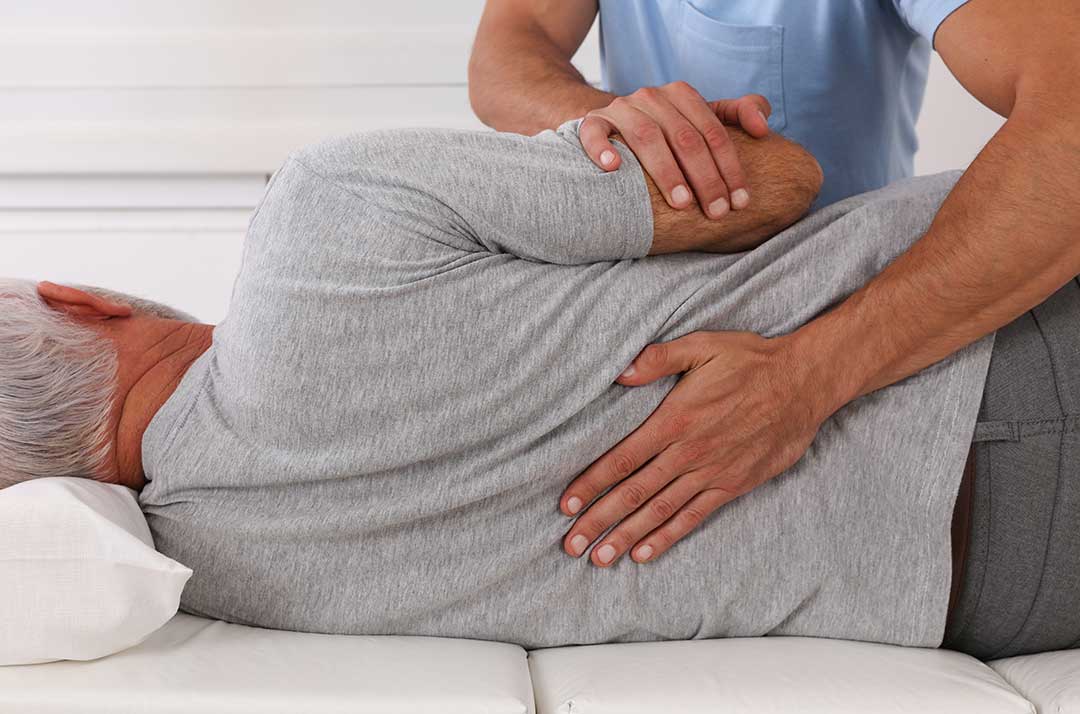
Do supplements, massage, or chiropractic adjustments help?
Evidence for supplements marketed for nerve or joint pain is mixed, and some can interact with medicines or affect the liver, kidneys, blood pressure, or bleeding risk. There is no universally proven supplement that reliably resolves sciatica. Discuss supplements with a physician or pharmacist, especially during pregnancy or when taking blood thinners or other long-term medicines.
Massage may temporarily reduce muscle tension, while manual therapies, including spinal manipulation, may help some people with certain types of low-back pain. These approaches should be gentle and based on an appropriate examination. They are not substitutes for evaluation when there is progressive weakness, significant numbness, fever, recent trauma, or other warning signs. NIAMS lists manual therapy, acupuncture, heat or cold, exercise, and physical therapy among options that may be considered depending on the cause and symptoms. ([niams.nih.gov](https://www.niams.nih.gov/community-outreach-initiative/understanding-muscle-health/living-with-back-pain?utm_source=openai))
When should sciatica be medically evaluated?
Arrange medical evaluation if pain is worsening, has not begun improving after several weeks, keeps returning, or interferes with walking, sleep, work, or ordinary household activities. Evaluation is also appropriate when numbness or weakness is present, because nerve symptoms may require closer monitoring. ([nhs.uk](https://www.nhs.uk/conditions/sciatica/?utm_source=openai))
Seek emergency care for:
- New loss of bladder or bowel control
- Difficulty starting urination or inability to urinate
- Numbness around the genitals, anus, or buttocks
- Severe or worsening weakness or numbness in both legs
- Sciatica affecting both legs, especially with other neurological symptoms
- Severe symptoms after a significant fall or injury
- Back pain accompanied by fever, unexplained weight loss, or a history of cancer
These symptoms can indicate serious nerve compression or another condition requiring urgent assessment. ([nhs.uk](https://www.nhs.uk/conditions/sciatica/?utm_source=openai))
For local residents, a reasonable self-care plan is to stay gently active, use heat or cold safely, avoid heavy twisting and lifting during a flare, support sleep, and track changes in pain, sensation, and strength. Natural remedies may improve comfort, but persistent or changing neurological symptoms should not be managed at home indefinitely.
